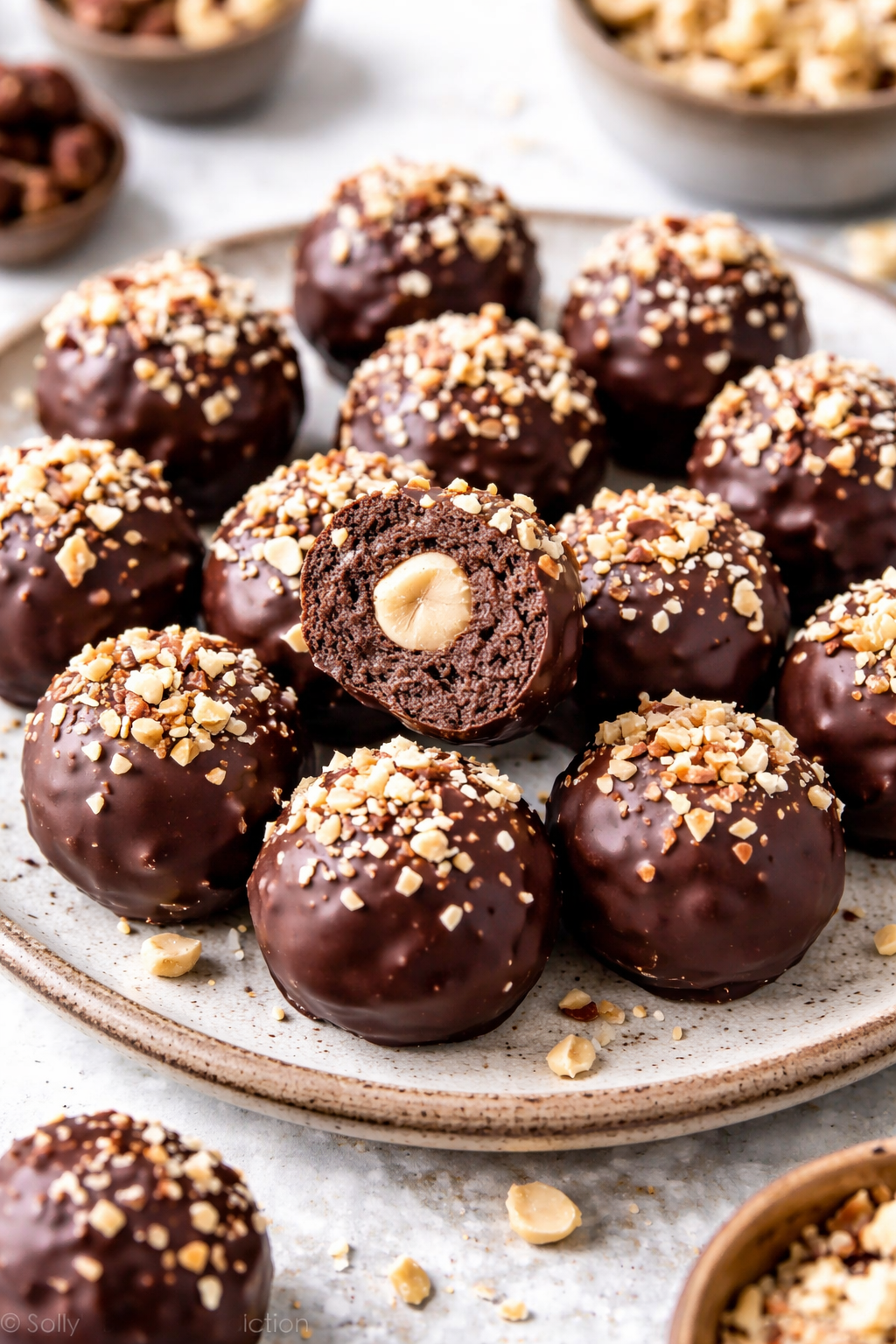
Recipe: Ferrero Rocher Protein Balls
If Ferrero Rocher went plant based and added protein this is what you’d get!
Fudgy center, whole hazelnut crunch, dark chocolate shell. Vegan, GF, and naturally sweetened. This is your next go to when you have a chocolate craving!

Creatine: What It Is, How It Works and Why Women Should Pay Attention
Creatine has become increasingly popular in the health, fitness and wellness space. Many of my clients have been beginning to ask whether it’s beneficial, safe or even necessary. While creatine is often associated with athletes or strength training, current research shows that it offers meaningful benefits for women, general health and cognitive function as well. Keep reading to find out how creatine works, why it’s beneficial and weather you should consider taking it.

Recipe: Lentil Pasta with Creamy Curry Sauce
Say hello to your new favourite comfort meal! This dish brings together home made high protein lentil pasta and a creamy chickpea curry sauce that is completely vegan but so satisfying that you’ll forget that it’s plant based.
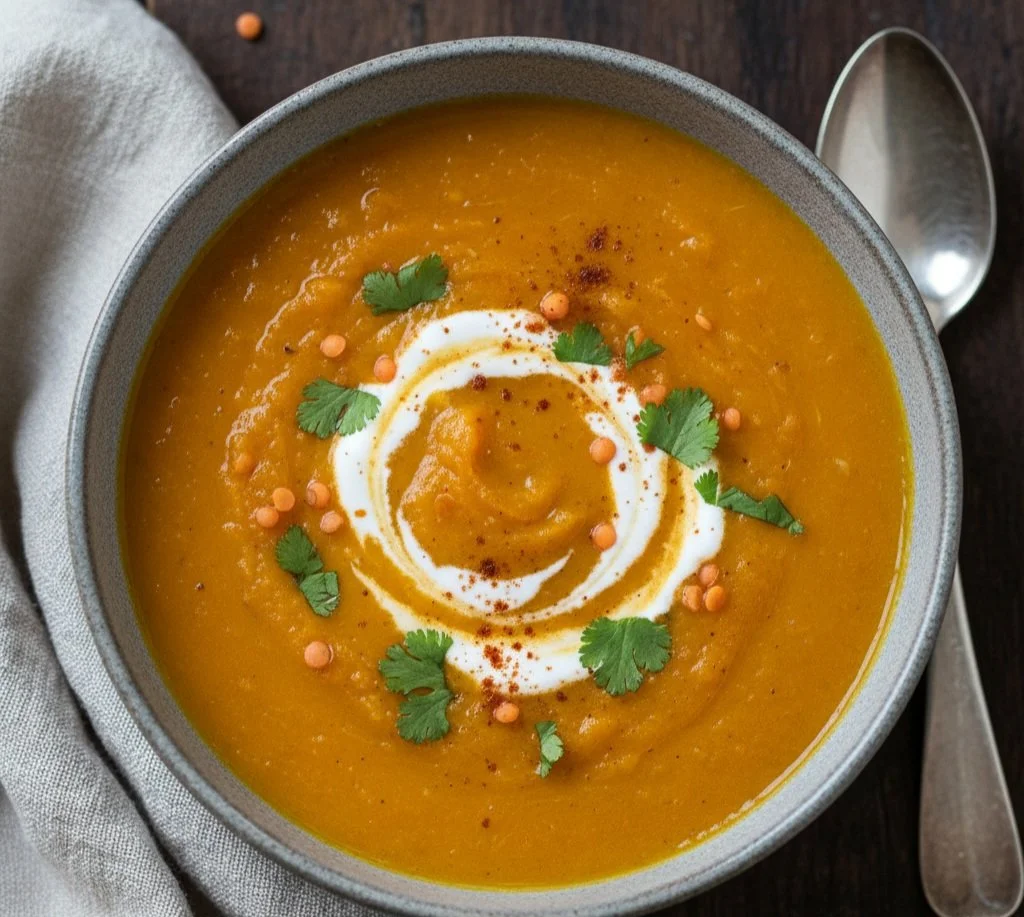
Recipe: High Protein Sweet Potato Soup
Creamy & cozy, this high protein sweet potato soup is comfort in a bowl. Made with lentils, coconut milk and a hint of cumin and tumeric. With the optional bonus of tofu for added protein. This soup is sure to keep you full and fueled.

Dietary Fats & Hormones
If you grew up hearing that fat makes you fat, you’re not alone. For years, dietary fat was painted as the villain behind heart disease. But research has flipped that old story on its head, we now know that fat is essential for hormone health, brain function and overall wellbeing.
In fact, the right kinds of fat help your body make hormones like estrogen, progesterone and testosterone (the chemical messengers that keep everything from your mood to your metabolism in check.)
Let’s break down how different fats affect your hormones (for both men and women), where to find healthy fats and what the science actually says.

Recipe: Pecan Pie Protein Balls
Nourish your cravings with these Pecan Pie Protein Balls that are sure to hit the sweet spot naturally! With Pecans, Cinnamon, Nutmeg and Maple Syrup you have all the cozy flavours of the season without any refined sugars.

Intermittent Fasting for Fat Loss: Does It Actually Work?
Let’s be honest, you hear about Intermittent Fasting(IF) everywhere these days.
But is it really better than traditional dieting? How does it affect your body and hormones? And are there differences between how men and women respond?
In this article, we’re diving into the science behind fasting for fat loss, what works, what doesn’t and what you should watch out for.

Recipe: Carrot Cake Protein Waffles
Who says you cant have cake for breakfast? Sweetened naturally and packed with plant protein, these vegan carrot cake waffles deliver all the cozy flavor without the sugar crash. Made with oat and coconut flour and finished with a light vegan cream cheese topping, it’s the perfect breakfast, dessert and fuel all in one!

Why Carbs Aren’t the Enemy
For years, Carbs have been given a bad rep. Low carb diets have been praised as the go to for fat loss, energy and better health. But here’s the thing: carbs aren’t the enemy. In fact, cutting carbs too much can backfire.
Let’s break down why your body actually needs carbs, and how they can support fat loss, not sabotage it.

Recipe: Pumpkin Pie Protein Smoothie
When it’s Pumpkin Spice Season, but you have goals! Enjoy a perfectly balanced, guilt free treat with this Pumpkin Pie Smoothie. It’s high in protein and fibre, satisfying that seasonal craving while keeping you full, fueled and right on track.

Why Men Lose Weight Faster Than Women
Training couples for over a decade one thing remains certain: 90% of the time, the guy loses weight way faster than his partner. Whether it’s a wife, girlfriend, or sister, the women always ask: “How is he dropping pounds so quickly?” The truth is, it’s not about who’s trying harder, it comes down to biology, hormones and how our bodies store fat. If you’re curious about the “why” behind these differences, keep reading.

How Much Protein Do You Really Need?
You see it everywhere, bodybuilders claiming you need 1 gram of protein per pound of body weight. Fitness websites say it's 0.8 g per pound. So... what's actually true?
Let’s break down the facts based on nutrition guidelines and supported by current research.