Creatine: What It Is, How It Works and Why Women Should Pay Attention
By. Ysanne Griffin
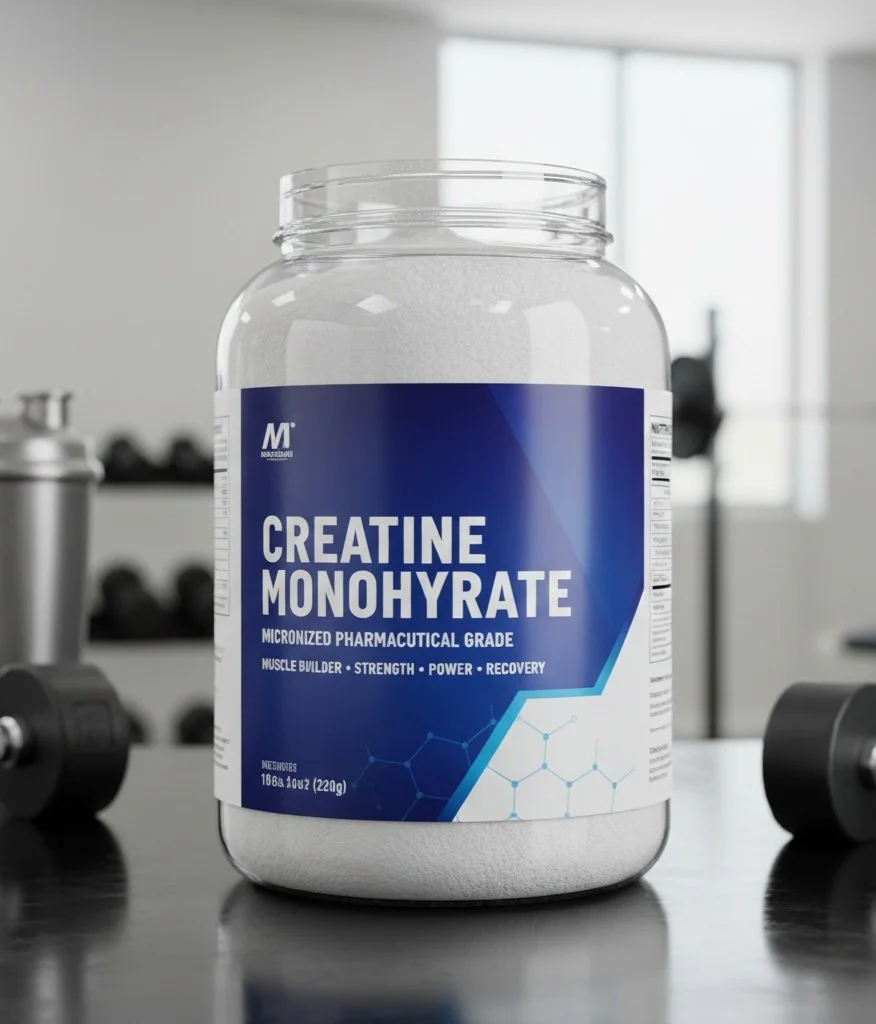
Creatine has become increasingly popular in the health, fitness and wellness space. Many of my clients have been beginning to ask whether it’s beneficial, safe or even necessary. While creatine is often associated with athletes or strength training, current research shows that it offers meaningful benefits for women, general health and cognitive function as well.
What Is Creatine?
Creatine is a naturally occurring compound synthesized in the body from the amino acids arginine, glycine, and methionine. Most of it is stored in skeletal muscle, with smaller amounts present in the brain and other tissues. The body also obtains creatine through dietary sources, primarily meat and fish.
Plant based eaters, individuals with lower muscle mass and many women tend to have lower baseline creatine stores, which may make supplementation especially beneficial for these groups.
How Creatine Works
Creatine plays a key role in the production of adenosine triphosphate (ATP), the body’s main energy molecule. During short, intense periods of activity such as resistance training or sprinting the body relies on stored phosphocreatine to rapidly regenerate ATP.
By increasing the amount of available phosphocreatine, creatine supplementation enhances the body’s ability to:
Produce quick energy
Sustain high-effort performance
Recover between bouts of activity
These mechanisms apply not only to the muscular system, but also to the brain where ATP is essential for cognitive processes.
Benefits of Creatine for Women
Although creatine is commonly marketed toward men, research increasingly supports its value for women’s health and performance.
1. Improved Strength and Lean Muscle
Creatine supplementation has been shown to:
Increase muscular strength
Improve training capacity
Support lean body mass development
Women often see significant benefits because they generally begin with lower intramuscular creatine stores compared to men [5].
2. Support During the Menstrual Cycle
Emerging studies suggest creatine may help maintain performance, cognitive function and mood during phases of the menstrual cycle where fatigue or strength fluctuations are common.
3. Potential Bone Health Support
When combined with resistance training, creatine may positively influence bone density which is an important consideration for women across the lifespan.
Cognitive and Neurological Benefits
Creatine also supports brain health. The brain uses large amounts of ATP, so increasing available phosphocreatine may enhance mental energy and cognitive resilience.
Research indicates creatine may support:
Working memory
Processing speed
Resistance to mental fatigue
Cognitive function during sleep deprivation
Notably, vegetarians, vegans and individuals with lower dietary creatine intake often experience stronger cognitive benefits [6].
Safety and Recommended Dosage
Creatine monohydrate is one of the most researched and safest dietary supplements available. Long-term studies show no harmful effects on kidney function in healthy individuals [1].
Typical dosing:
3–5 grams per day of creatine monohydrate
No loading phase is required
It can be taken at any time of day
Most individuals experience noticeable strength or performance changes after their muscles become fully saturated (within 2–4 weeks.)
Conclusion
Creatine is a well established, evidence supported supplement with benefits that extend far beyond athletic performance. For women in particular, creatine can enhance strength, support training consistency, contribute to cognitive health and complement long term wellness goals.
References
Kreider, R. B., Kalman, D. S., Antonio, J., Ziegenfuss, T. N., Wildman, R., Collins, R., … Lopez, H. L. (2017). International Society of Sports Nutrition position stand: Safety and efficacy of creatine supplementation in exercise, sport, and medicine. Journal of the International Society of Sports Nutrition, 14(1), 18.
Persky, A. M., & Brazeau, G. A. (2001). Clinical pharmacology of the dietary supplement creatine monohydrate. Pharmacological Reviews, 53(2), 161–176.
Devries, M. C., & Phillips, S. M. (2014). Creatine supplementation during resistance training in women. Journal of the American College of Nutrition, 33(1), 30–38.
Avgerinos, K. I., Spyrou, N., Bougioukas, K. I., & Kapogiannis, D. (2018). Effects of creatine supplementation on cognitive function in healthy individuals: A systematic review of randomized controlled trials. Psychopharmacology, 235, 2107–2121.
Smith-Ryan, A. E., Cabre, H. E., Eckerson, J. M., & Candow, D. G. (2021). Creatine supplementation in women: A review. Journal of the International Society of Sports Nutrition, 18(1), 1–14.
6. Benton, D., & Donohoe, R. (2011). The influence of creatine supplementation on the cognitive functioning of vegetarians and omnivores. British Journal of Nutrition, 105(7), 1100–1105.
