Why Carbs Aren’t the Enemy
By. Ysanne Griffin
For years, Carbs have been given a bad rep. Low carb diets have been praised as the go to for fat loss, energy and better health. But here’s the thing: carbs aren’t the enemy. In fact, cutting carbs too much can backfire.
Let’s break down why your body actually needs carbs, and how they can support fat loss, not sabotage it.
Carbs Are Your Body’s Favorite Fuel
Your body loves carbs. When you eat them, your body breaks them down into glucose which is used for energy. Without enough carbs, your body may break down muscle for fuel which isn’t what we want, especially if you’re trying to build, maintain your metabolism or your strength [1].
Your Brain Runs on Glucose
Carbs don’t just fuel your workouts, they also fuel your brain. Glucose is your brain’s preferred energy source. That “low carb brain fog” some people get? It’s real. Studies show that when carbs are restricted, mental sharpness and mood can take a hit [2].
Carbs Feed a Healthy Gut
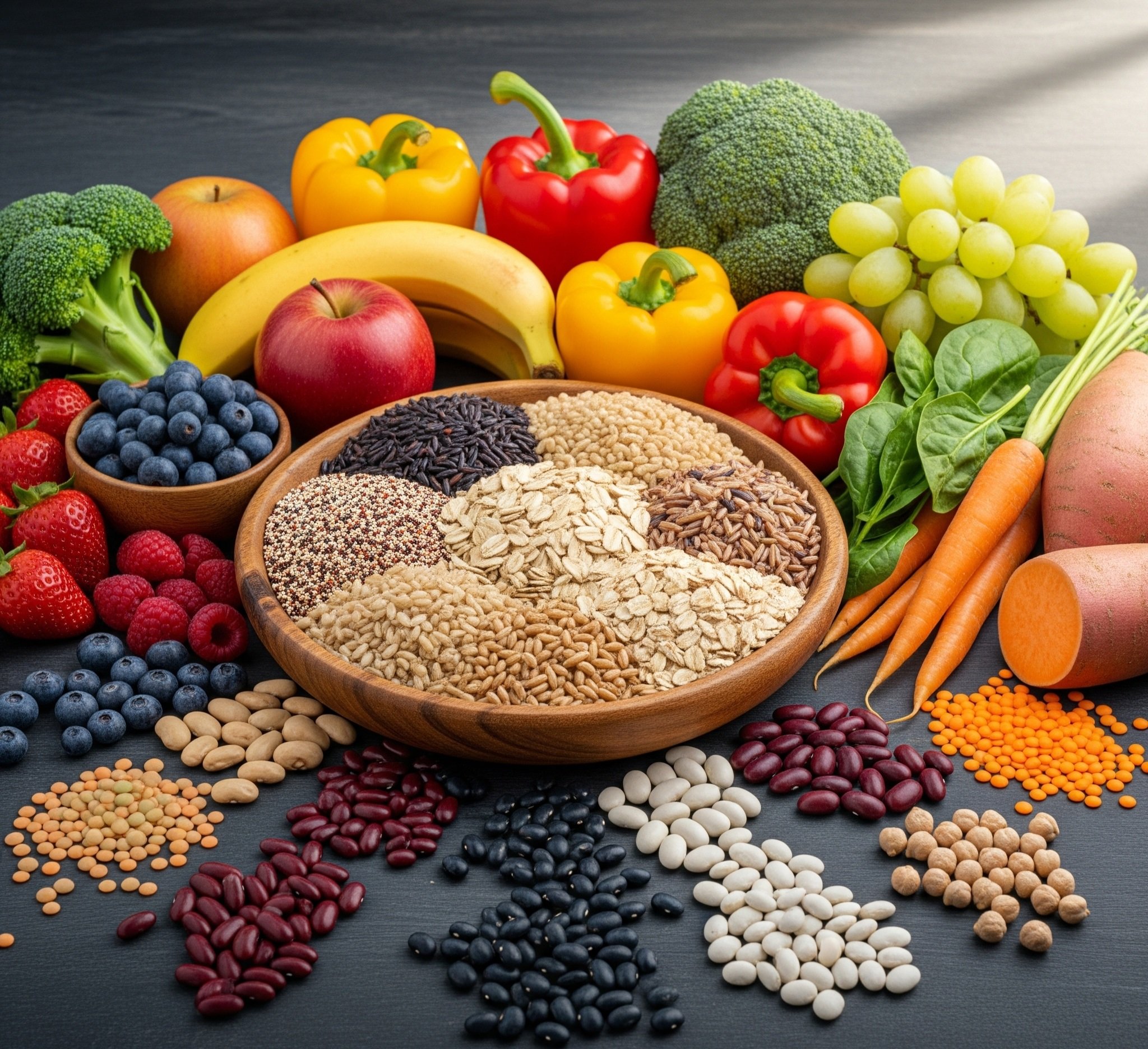
Many whole carbs like fruits, veggies, beans and oats are packed with fiber which helps with digestion, blood sugar control and gut health.
Fiber also feeds the good bacteria in your gut. A healthy gut microbiome has been linked to better immunity, lower inflammation, and even better mood [3].
Most people fall short on fiber and extreme low carb diets can make that worse.
Whole Carbs = Real Nutrition
Whole food carbs are packed with micronutrients like B vitamins, magnesium, potassium, and antioxidants. When you cut carbs drastically you may be cutting out these important nutrients too [4].
But What About Fat Loss?
It’s About Calories, Not Carbs
You can lose fat on a high carb or low carb diet as long as you’re in a calorie deficit. A large study found that people lost similar amounts of weight on both low carb and low fat diets over 12 months [5].
What matters most is eating in a way that’s sustainable for you.
Not All Carbs Are Created Equal
Complex carbs like sweet potatoes, lentils, and brown rice digest slowly and keep you full longer.
Refined carbs like candy and white bread spike your blood sugar and can lead to crashes and cravings.
So no, carbs aren’t bad but the quality is what matters.
Insulin Doesn’t Automatically Make You Store Fat
Yes, carbs cause insulin to rise and insulin helps your body store nutrients. But eating carbs doesn’t automatically equal fat gain. Studies show that when total calories are controlled, people can lose fat even on high-carb diets [6].
Why Low Carb Isn’t Always Best for Women
While low carb might work for some people, women often need more flexibility. Going too low can impact:
Energy (especially during your menstrual cycle)
Workout performance and recovery
Mood and mental clarity
Long term consistency
If you’re constantly tired, hungry or moody on a low carb diet it might be a sign your body wants more fuel.
The Bottom Line
Carbs aren’t your enemy. They’re a vital part of a balanced, sustainable diet, especially for active women.
Instead of cutting carbs completely:
Choose whole carbs (like oats, quinoa, fruit, and veggies)
Eat enough fiber
Pair carbs with protein and healthy fats
Focus on your overall calorie balance
Find what works for you longterm
References
Gropper, S. S., & Smith, J. L. (2019). Advanced Nutrition and Human Metabolism (7th ed.). Cengage Learning.
Soto-Vaca, A., Gutierrez, O., Losso, J. N., & Finley, J. W. (2005). Influence of carbohydrate intake on resting brain activity in healthy adults. Journal of Clinical Neuroscience, 12(4), 486–490.
Slavin, J. (2013). Fiber and prebiotics: Mechanisms and health benefits. Nutrients, 5(4), 1417–1435. https://doi.org/10.3390/nu5041417
EatingWell. (2025). Why cutting carbs too much can backfire. Retrieved from https://www.eatingwell.com/why-cutting-carbs-can-backfire-11748539
Gardner, C. D., Trepanowski, J. F., Del Gobbo, L. C., et al. (2018). Effect of low-fat vs low-carbohydrate diet on 12-month weight loss in overweight adults. JAMA, 319(7), 667–679. https://doi.org/10.1001/jama.2018.0245
Hall, K. D., Guo, J., et al. (2021). Effect of a plant-based, low-fat diet vs an animal-based, ketogenic diet on ad libitum energy intake. Nature Medicine, 27, 344–353. https://doi.org/10.1038/s41591-020-01209-1
